
Faith-Informed Care
Integrating your spiritual values into the healing process when you wish.
Overview
For clients who want it, we integrate faith and clinical care with care and consent—never as a prescription. Your beliefs shape how you make meaning, and therapy can honor that.
Who it's for
- Clients whose faith is central to how they process life
- Those wrestling with doubt, church hurt, or shifting belief
- Anyone who wants values-aligned care without pressure
How sessions work
- 1Faith integration is opt-in and revisited over time
- 2Respect for your tradition, questions, and pace
- 3Standard evidence-based clinical care as the foundation
Who we work with
Faith-Informed Care care at Parkview is tailored to the person in the room. Explore how this work looks for each group we serve.
Meet the Therapists Who Treat Faith-Informed Care
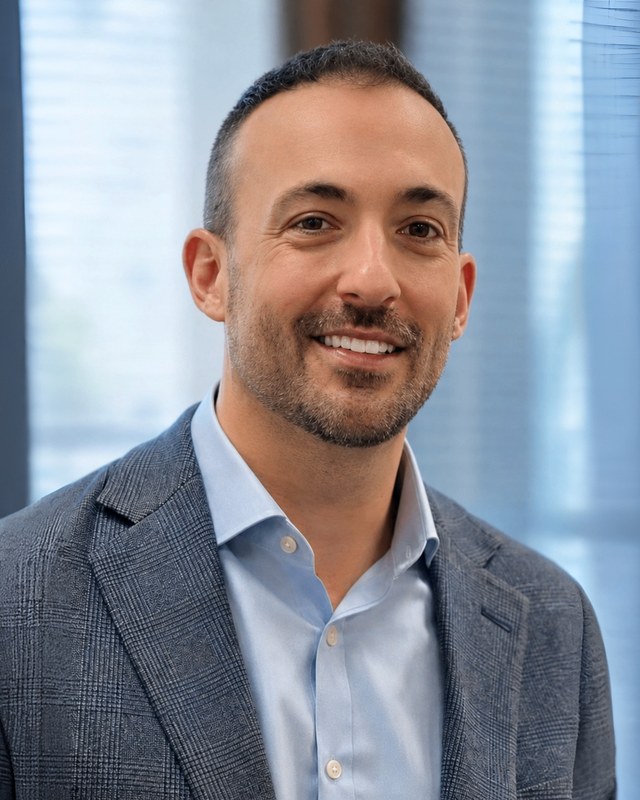
Rich Maier, MA, LPC
Licensed Professional Counselor · Practice Director
Read Rich’s bio →
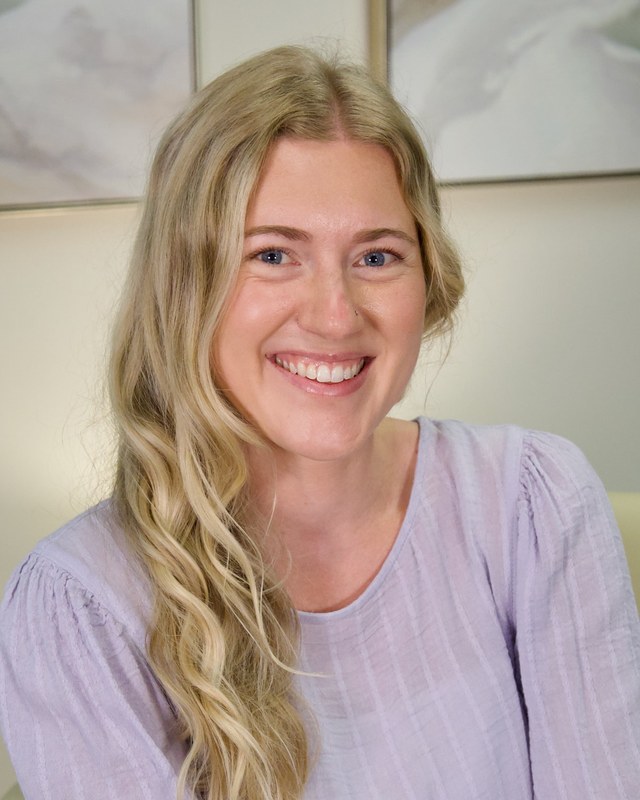
Anna DeVries, MA, LPC
Licensed Professional Counselor
Accepting new clientsRead Anna’s bio →

Mason Maslonka, Pre-Licensed Professional
Pre-Licensed Professional
Accepting new clientsRead Mason’s bio →
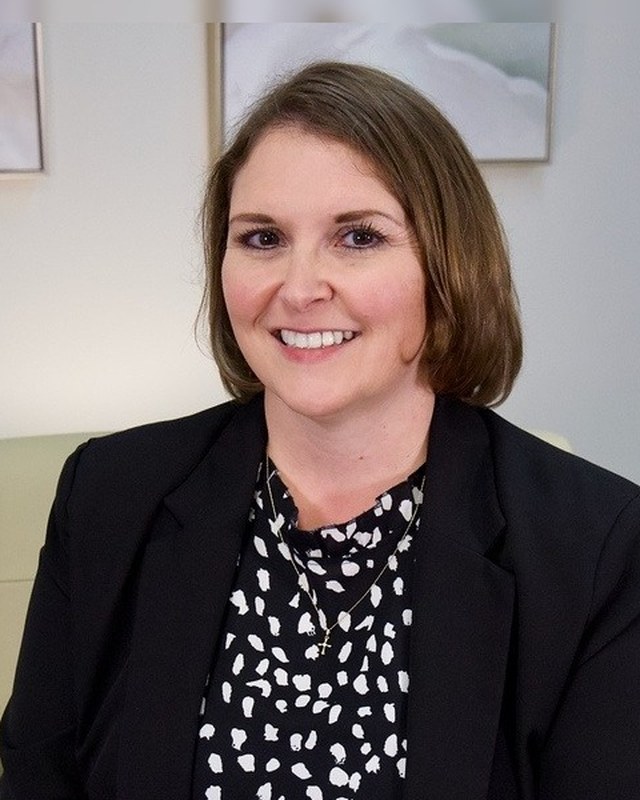
Sara M. Hill, MA, MTS, LLPC
Limited Licensed Professional Counselor
Accepting new clientsRead Sara’s bio →

Providence S. Klap, LLMSW
Limited Licensed Master Social Worker · School Social Worker
Accepting new clientsRead Providence’s bio →

Leonardo Caldas, MA, LLPC
Limited Licensed Professional Counselor
Accepting new clientsRead Leonardo’s bio →
Ready to take the next step?
Request a consultation and we'll match you with a clinician who fits.
Frequently Asked Questions
Do I have to be a Christian to see a Christian counselor here?
How is faith-informed therapy different from just talking to a pastor?
Can you help if I'm going through church hurt or a faith crisis?
Do your therapists have theological training?
Will you push your beliefs on me?
Also explore
Anxiety & Stress
Finding calm in the midst of life's daily pressures.
Depression & Mood
Finding light when low mood, numbness, or hopelessness feel heavy.
Trauma & PTSD
Processing past experiences and rebuilding a sense of safety.
Life Transitions & Grief
Support through the losses, changes, and turning points that reshape life.