
Anxiety & Stress
Finding calm in the midst of life's daily pressures.
Overview
Anxiety can look like racing thoughts, restlessness, avoidance, or a body that never quite settles. Our clinicians help you understand what's driving the pattern and build practical tools to steady your nervous system.
We draw on evidence-based approaches like CBT, ACT, and mindfulness so change is grounded, not just insightful.
Who it's for
- Adults navigating chronic worry, panic, or burnout
- Teens and young adults facing academic or social pressure
- Professionals whose stress is spilling into sleep, health, or relationships
How sessions work
- 145–55 minute weekly sessions in Wyoming or via secure telehealth
- 2Collaborative goal setting in the first two visits
- 3Skills practice between sessions to build lasting change
Who we work with
Anxiety & Stress care at Parkview is tailored to the person in the room. Explore how this work looks for each group we serve.
Anxiety & Stress for Kids
Play-based, developmentally attuned therapy that meets kids where they are.
Anxiety & Stress for Teens
A confidential, respectful space for teens to sort out identity, stress, and relationships.
Anxiety & Stress for Young Adults
Support through the identity, career, and relationship shifts that define early adulthood.
Anxiety & Stress for Adults
One-on-one therapy for adults in every season — thoughtful, evidence-based, and paced to you.
Anxiety & Stress for Men
Exploring identity, emotions, and pressures in a non-judgmental space.
Anxiety & Stress for Women
Support for life seasons, roles, and the expectations women carry.
Anxiety & Stress for Older Adults
Therapy for the later chapters — loss, health changes, retirement, purpose, and the questions that come with a long life.
Meet the Therapists Who Treat Anxiety & Stress

Rich Maier, MA, LPC
Licensed Professional Counselor · Practice Director
Read Rich’s bio →
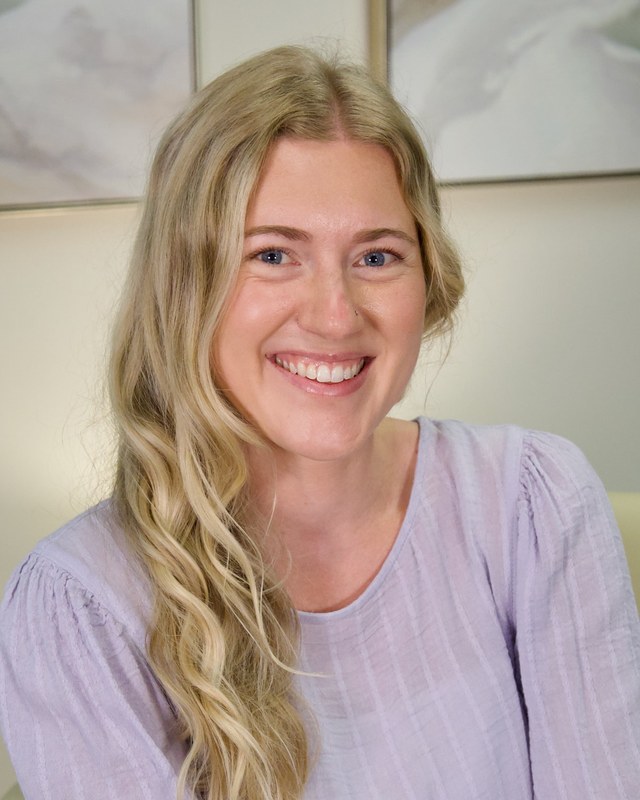
Anna DeVries, MA, LPC
Licensed Professional Counselor
Accepting new clientsRead Anna’s bio →

Mason Maslonka, Pre-Licensed Professional
Pre-Licensed Professional
Accepting new clientsRead Mason’s bio →

Sara M. Hill, MA, MTS, LLPC
Limited Licensed Professional Counselor
Accepting new clientsRead Sara’s bio →

Leonardo Caldas, MA, LLPC
Limited Licensed Professional Counselor
Accepting new clientsRead Leonardo’s bio →
Ready to take the next step?
Request a consultation and we'll match you with a clinician who fits.
Frequently Asked Questions
How do I know if what I'm feeling is anxiety or just normal stress?
Will I have to take medication if I come in for anxiety?
How long before I actually feel better?
I've tried breathing exercises and they don't work — is therapy really different?
Can therapy help with panic attacks specifically?
Also explore
Depression & Mood
Finding light when low mood, numbness, or hopelessness feel heavy.
Trauma & PTSD
Processing past experiences and rebuilding a sense of safety.
Life Transitions & Grief
Support through the losses, changes, and turning points that reshape life.
Relationship Issues
Repairing connection, communication, and trust in important relationships.