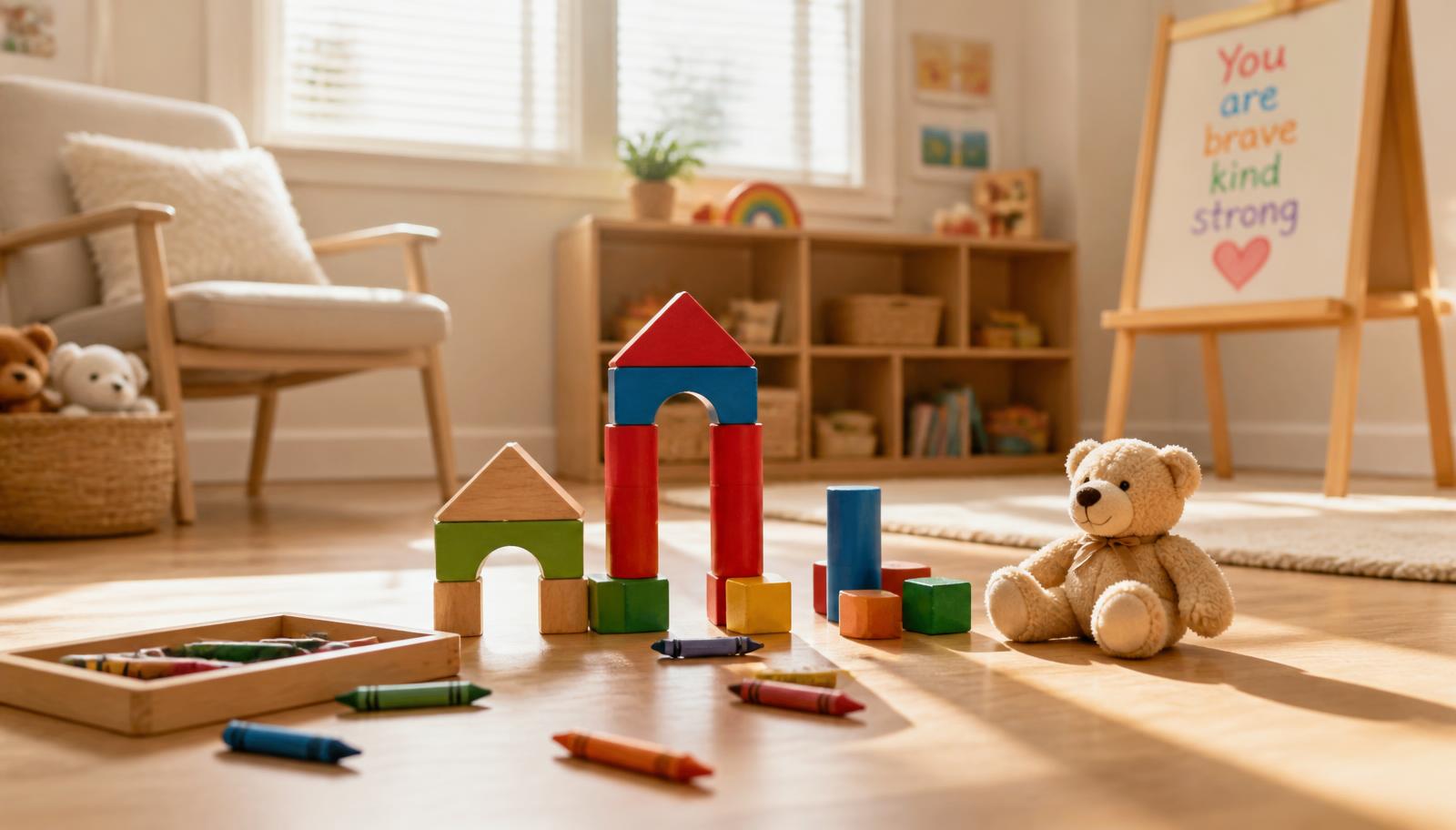
Kids
Play-based, developmentally attuned therapy that meets kids where they are.
Overview
Kids don't always have the words for what's hard. Our clinicians use play, art, and story alongside evidence-based techniques so children can process anxiety, big feelings, family change, or behavioral concerns in a way that fits how they actually think.
Parents are partners in the work — we build in caregiver sessions so what happens in therapy carries home.
How we help kids
These are the areas we most often work on with kids.
Who it helps
- Kids managing anxiety, worry, or big emotions
- Children navigating divorce, loss, or a family transition
- Behavioral concerns at home or school
What a session looks like
- 145–55 minute sessions with the child, plus regular parent check-ins
- 2Play, art, and skill-building matched to developmental stage
- 3Coordination with schools or pediatricians when helpful
Meet the Therapists Who Work With Kids

Ready to take the next step?
Request a consultation and we'll match you with a clinician who fits.
Frequently Asked Questions
How do I know if my child actually needs therapy?
What does therapy with young kids actually look like?
Will I be involved in my child's therapy?
My kid says they don't want to come. What do I do?
Also explore
Teens
A confidential, respectful space for teens to sort out identity, stress, and relationships.
Young Adults
Support through the identity, career, and relationship shifts that define early adulthood.
Adults
One-on-one therapy for adults in every season — thoughtful, evidence-based, and paced to you.
Men
Exploring identity, emotions, and pressures in a non-judgmental space.