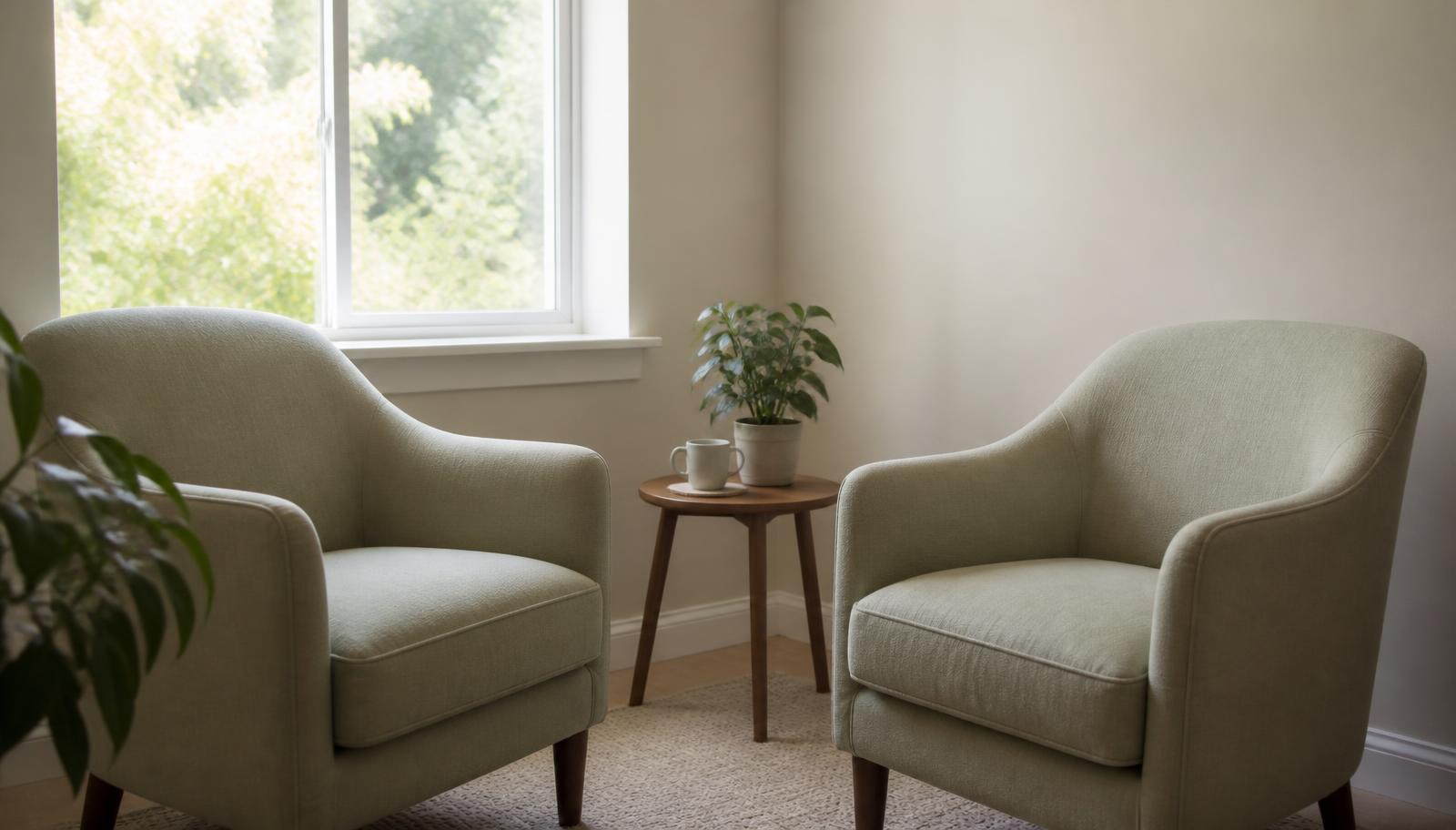
Adults
One-on-one therapy for adults in every season — thoughtful, evidence-based, and paced to you.
Overview
Most of our work is with adults navigating stress, relationships, past experiences, or a sense that something needs to change. Whatever brings you in, our clinicians combine evidence-based approaches with real conversation — no scripts.
How we help adults
These are the areas we most often work on with adults.
Who it helps
- Adults working through anxiety, depression, trauma, or life transitions
- Professionals managing stress, burnout, or major decisions
- Anyone wanting steady support to make lasting change
What a session looks like
- 145–55 minute weekly sessions with a consistent clinician
- 2Collaborative goals revisited every few months
- 3In-person in Wyoming or secure telehealth across Michigan
Meet the Therapists Who Work With Adults
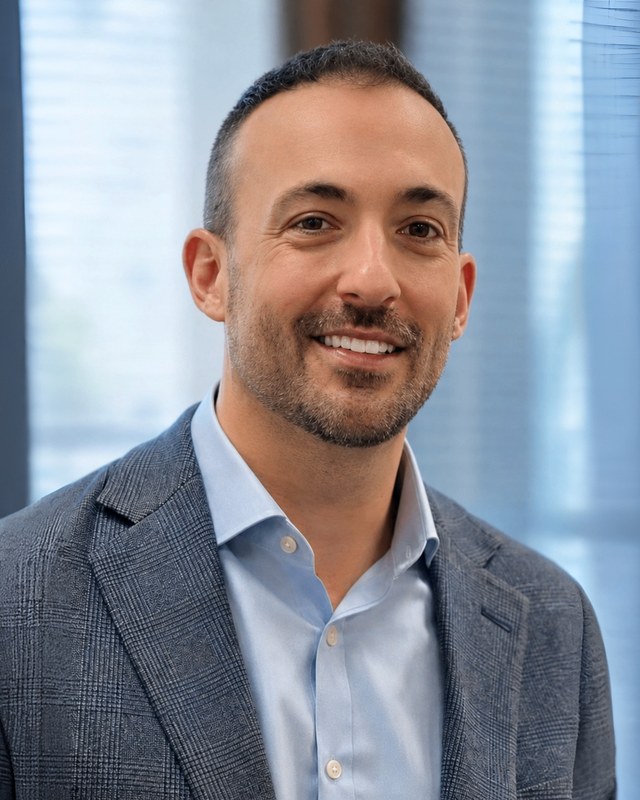
Rich Maier, MA, LPC
Licensed Professional Counselor · Practice Director
Read Rich’s bio →
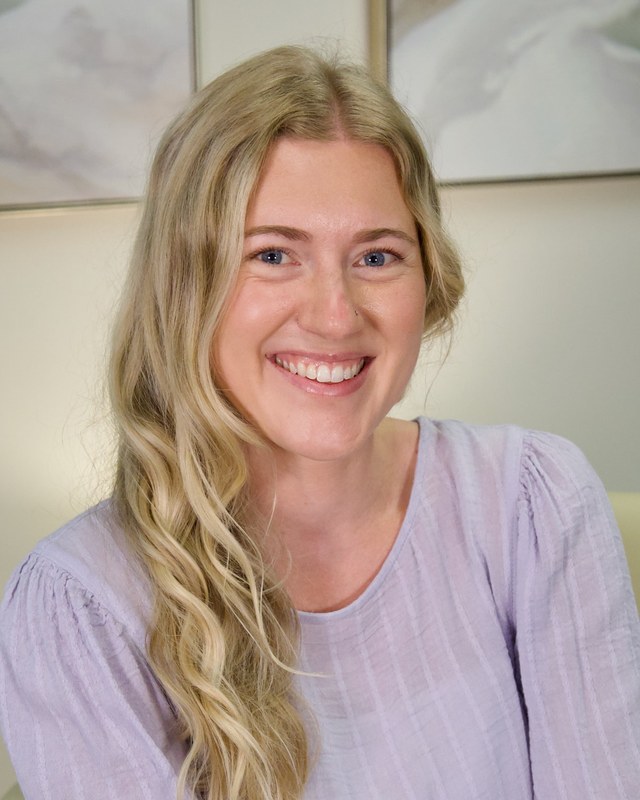
Anna DeVries, MA, LPC
Licensed Professional Counselor
Accepting new clientsRead Anna’s bio →

Mason Maslonka, Pre-Licensed Professional
Pre-Licensed Professional
Accepting new clientsRead Mason’s bio →
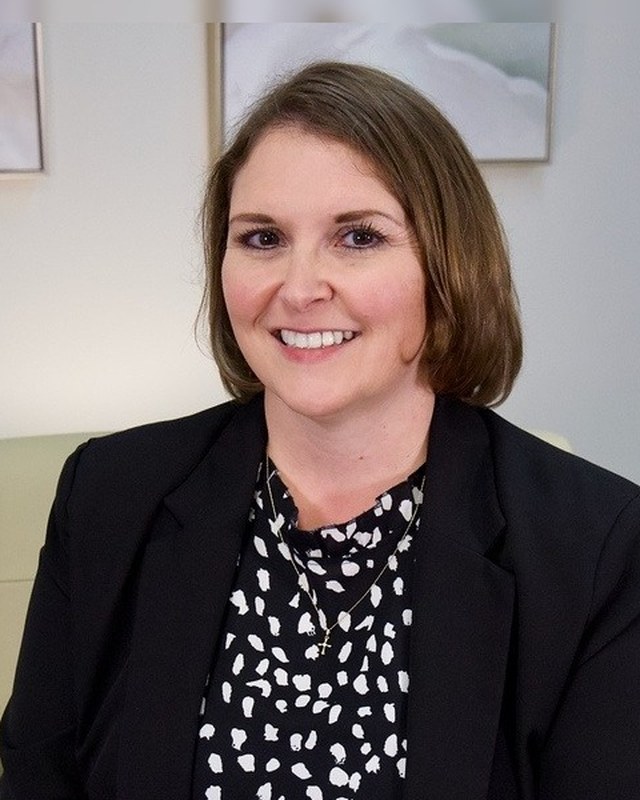
Sara M. Hill, MA, MTS, LLPC
Limited Licensed Professional Counselor
Accepting new clientsRead Sara’s bio →
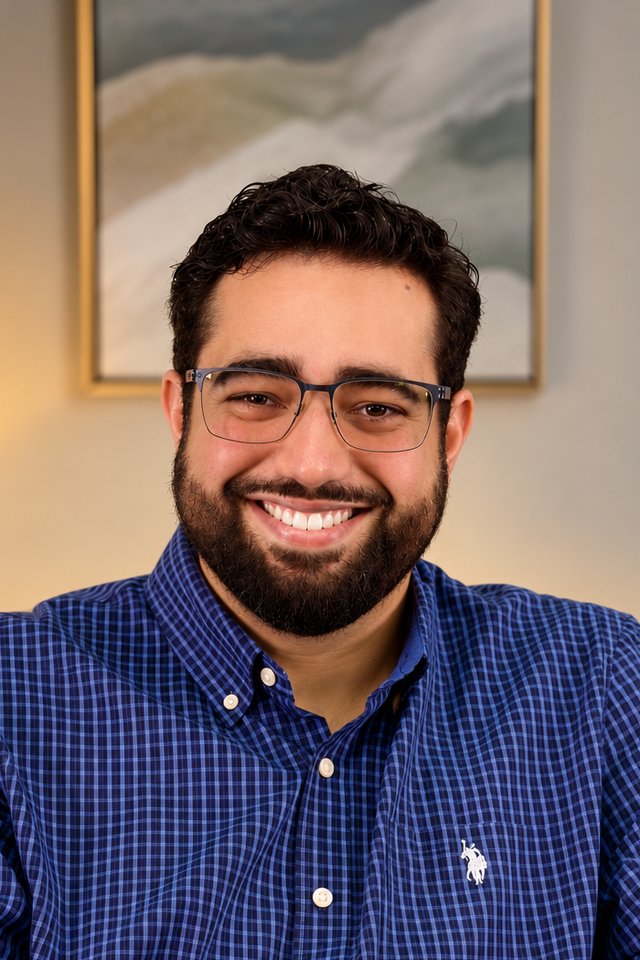
Leonardo Caldas, MA, LLPC
Limited Licensed Professional Counselor
Accepting new clientsRead Leonardo’s bio →
Ready to take the next step?
Request a consultation and we'll match you with a clinician who fits.
Frequently Asked Questions
I'm doing fine, mostly. Is therapy still worth it?
I've been carrying this for years. Is it too late to work on it?
How do I choose the right therapist for me?
How often should I come in and for how long?
Also explore
Kids
Play-based, developmentally attuned therapy that meets kids where they are.
Teens
A confidential, respectful space for teens to sort out identity, stress, and relationships.
Young Adults
Support through the identity, career, and relationship shifts that define early adulthood.
Men
Exploring identity, emotions, and pressures in a non-judgmental space.