
Addiction & Recovery
Building sustainable recovery and addressing the patterns underneath.
Overview
Recovery is more than stopping a behavior—it's building a life that supports the change. We meet you wherever you are, from early ambivalence to long-term recovery, with a non-shaming, whole-person approach.
Who it's for
- Adults working on substance use, alcohol, or behavioral addictions
- Family members affected by a loved one's use
- Clients in early sobriety who want clinical support alongside recovery community
How sessions work
- 1Weekly individual sessions; family sessions available
- 2Integration with 12-step, SMART, or faith-based recovery when desired
- 3Relapse prevention planning as a core part of care
Who we work with
Addiction & Recovery care at Parkview is tailored to the person in the room. Explore how this work looks for each group we serve.
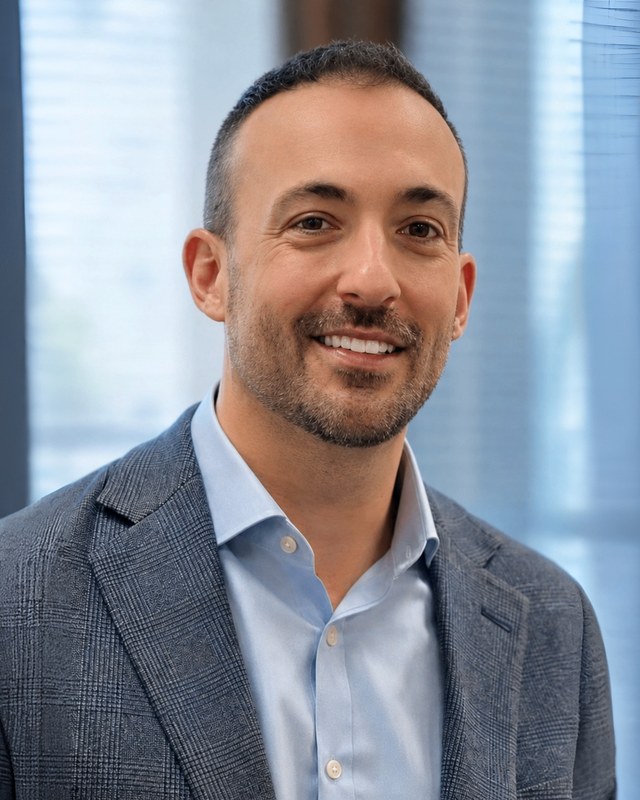
Meet the Therapists Who Treat Addiction & Recovery

Ready to take the next step?
Request a consultation and we'll match you with a clinician who fits.
Frequently Asked Questions
Do I have to be sober to start therapy?
Is 12-step the only path to recovery, or are there other options?
What if I've relapsed multiple times before?
Can therapy help with process addictions like porn, gambling, or food?
Will my family need to be involved in treatment?
Also explore
Anxiety & Stress
Finding calm in the midst of life's daily pressures.
Depression & Mood
Finding light when low mood, numbness, or hopelessness feel heavy.
Trauma & PTSD
Processing past experiences and rebuilding a sense of safety.
Life Transitions & Grief
Support through the losses, changes, and turning points that reshape life.