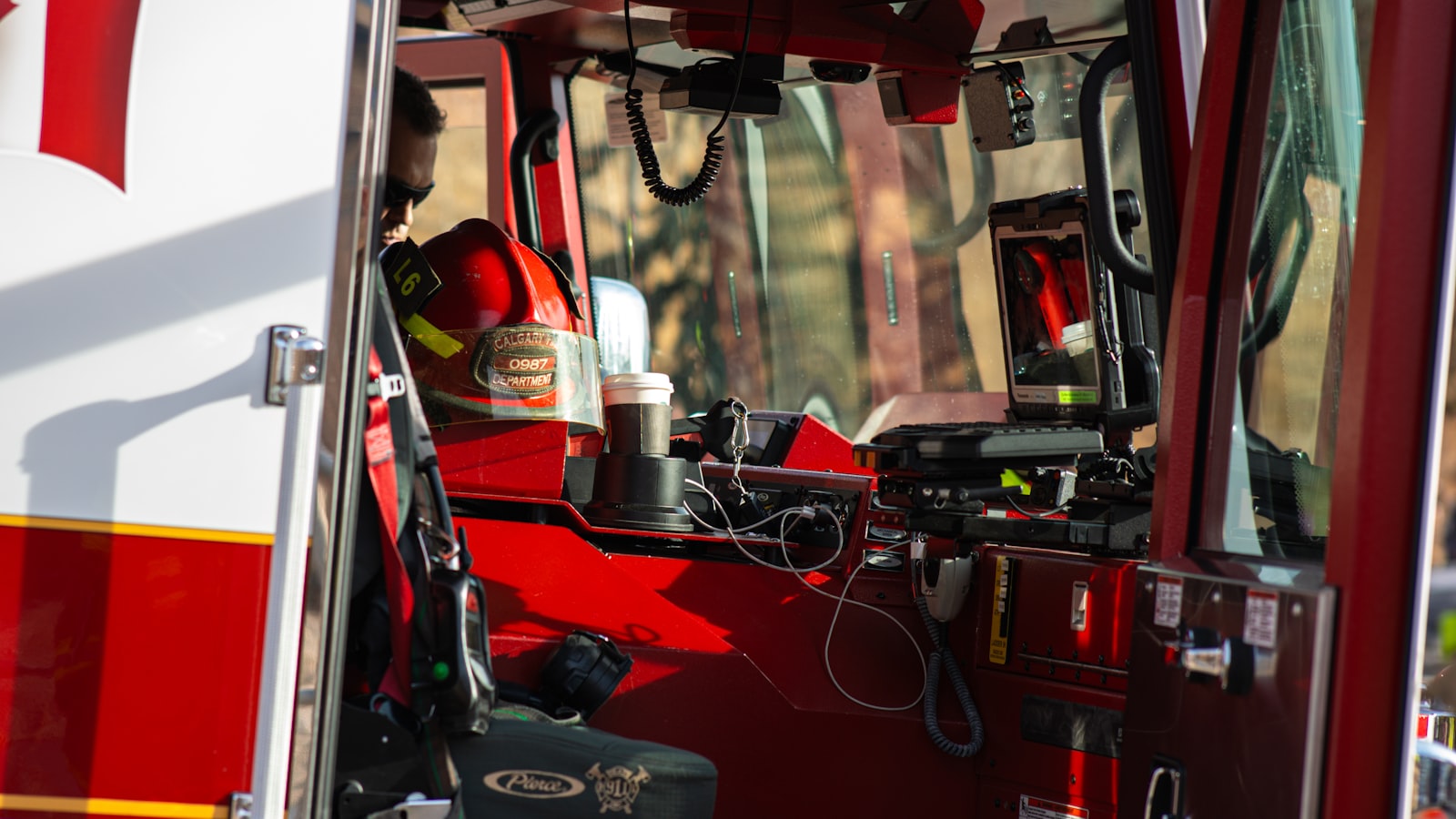
First Responders
Culturally informed care for those who serve under high-stress conditions.
Overview
Police, fire, EMS, dispatch, corrections, and military — your work is different, and therapy should reflect that. Our clinicians are trained in the culture, stressors, and cumulative exposure that come with the job.
How we help first responders
These are the areas we most often work on with first responders.
Who it helps
- Active and retired first responders
- Spouses and family members
- Departments seeking a trusted referral for their people
What a session looks like
- 1Confidential, culturally competent care
- 2Trauma-informed pacing with respect for operational realities
- 3Flexible scheduling around shift work
Meet the Therapists Who Work With First Responders

Ready to take the next step?
Request a consultation and we'll match you with a clinician who fits.
Frequently Asked Questions
Will you actually understand what my job is like?
I'm worried about confidentiality. Will my department find out?
What if I don't have PTSD but I'm just not okay?
Do you use EMDR for first responder trauma?
Also explore
Kids
Play-based, developmentally attuned therapy that meets kids where they are.
Teens
A confidential, respectful space for teens to sort out identity, stress, and relationships.
Young Adults
Support through the identity, career, and relationship shifts that define early adulthood.
Adults
One-on-one therapy for adults in every season — thoughtful, evidence-based, and paced to you.